Stronger Communication. Better Integration.
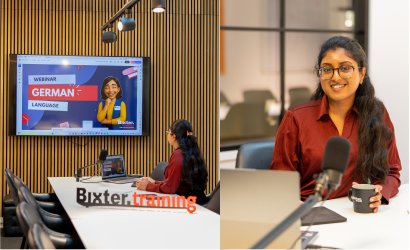
Technical skills are only part of a successful placement. Communication, role expectations, and cultural understanding play an equally important role in helping candidates adapt quickly and contribute effectively.
Bixter helps candidates prepare before arrival through practical language and cultural preparation designed around real farms, food production and hospitality companies.
The result is stronger communication, smoother integration, and a better experience for both host companies and candidates.
Built for Real Operations
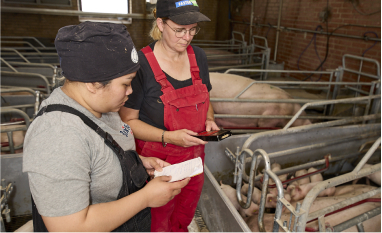
Our preparation programs focus on practical communication and everyday role situations rather than traditional classroom learning.
Candidates learn how to:
- Understand daily instructions
- Communicate with supervisors and colleagues
- Report observations and problems
- Participate confidently in daily routines
- Understand host company expectations
- Adapt to new environments more effectively
Preparation is designed to help candidates contribute with greater confidence from the beginning.
Language for Farm Operations
Built Around Daily Tasks
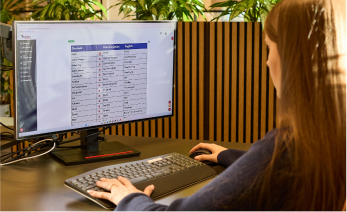
Bixter Academy provides sector-specific language training designed around real farm communication.
For the piggery sector, candidates can access:
- German for Piggery
- English for Piggery
- Spanish for Piggery
These courses focus on the language needed to communicate during daily farm operations, including animal observation, feeding, insemination, farrowing, piglet care, biosecurity procedures, and reporting.
Rather than teaching language in a classroom format, the courses focus on practical communication that helps candidates understand instructions, report problems clearly, and contribute effectively as part of the team.
Cultural Awareness

Understanding Life in Europe
Moving to a new country involves more than adapting to a new role. Candidates also need to understand how everyday systems work so they can settle more confidently and focus on their placement.
Our cultural awareness preparation helps candidates understand:
- European culture and expectations
- Professional communication styles
- Teamwork and collaboration
- Feedback, responsibility, and initiative
- Banking systems and how to open a bank account
- Understanding payslips and salary information
- Basic tax systems and tax registration
- Local registration requirements after arrival
- Digital systems used in daily life
- Everyday life, customs, and norms
By understanding both their role and the practical realities of living in Europe, candidates are better prepared to adapt, communicate, and become part of the team more quickly.
Better Team Outcomes
Why Preparation Matters
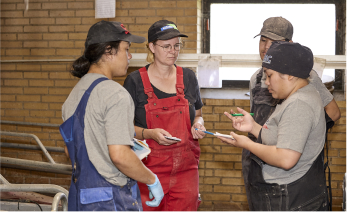
When candidates understand both the language and the local culture before arrival, the transition becomes smoother for everyone involved.
For host companies, this can support:
- Faster adaptation
- Clearer communication
- Fewer misunderstandings
- Stronger collaboration
- Greater confidence from day one
- More stable long-term placements
Because communication challenges are easier to prevent than correct.
Preparation Beyond Skills
Cultural and language preparation work together with candidate evaluation, pre-departure education, documentation support, mobility coordination, and follow-up support.
Each step strengthens the next.
When candidates understand the language, their role, and host company expectations before arrival, host companies spend less time addressing avoidable communication challenges and more time focusing on performance and development.
One partner. One process. Better prepared from the start.